Test, Learn, Adapt: The Power of Prototyping
The most successful branch transformations do not begin with construction drawings.
They begin with questions. How will consumers engage with the space? What services belong in the branch? Which technologies enhance the experience? As financial institutions rethink their physical networks, the answers aren’t always obvious. Consumer behaviors continue to shift, expectations vary by market, and emerging technologies are changing how people interact with their financial institution.
The challenge is that there is no one-size-fits-all model. That’s why prototyping is a critical part of branch transformation, allowing institutions to test, learn, and refine new concepts before investing across an entire network.
Designing for the Consumer Starts With Prototyping
Every branch should be designed with the consumer experience in mind. The question is whether those design decisions are based on assumptions or real-world insights. As financial institutions face increasing pressure to innovate while carefully managing risk, prototyping provides a practical way to balance both objectives.
Creating a prototype or pilot branch allows financial institutions to observe how consumers move through a space, interact with technology, engage with staff, and respond to different service environments.
The process helps answer important questions:
- Are consumers intuitively finding the services they need?
- Do technology touchpoints enhance convenience or create friction?
- Is the space encouraging meaningful conversations?
- Does the environment reflect the institution’s brand and culture?
- Are employees able to serve consumers efficiently?
By evaluating these factors in a real-world setting, institutions can make informed decisions based on consumer behavior rather than assumptions. This approach encourages organizations to explore bold ideas and apply the best ideas across the broader network.
Creating a Branch Story That Scales
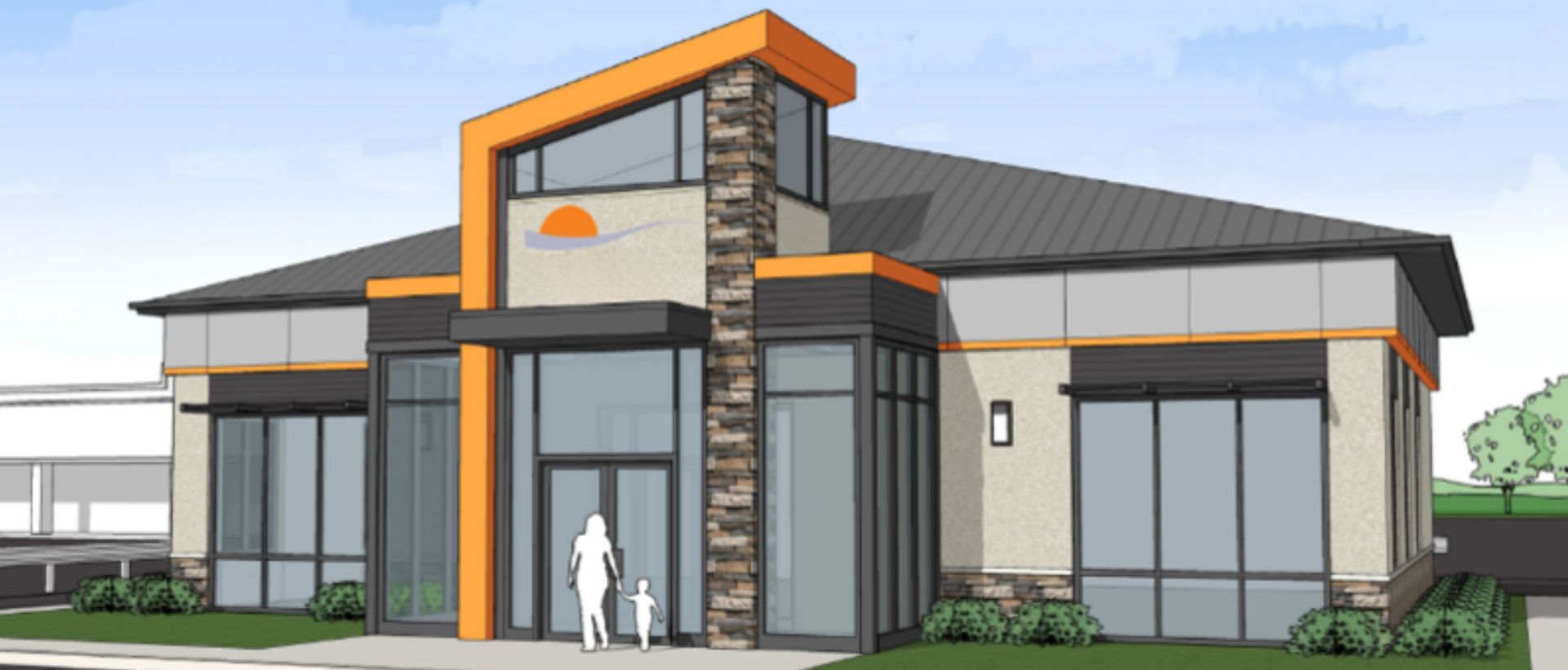
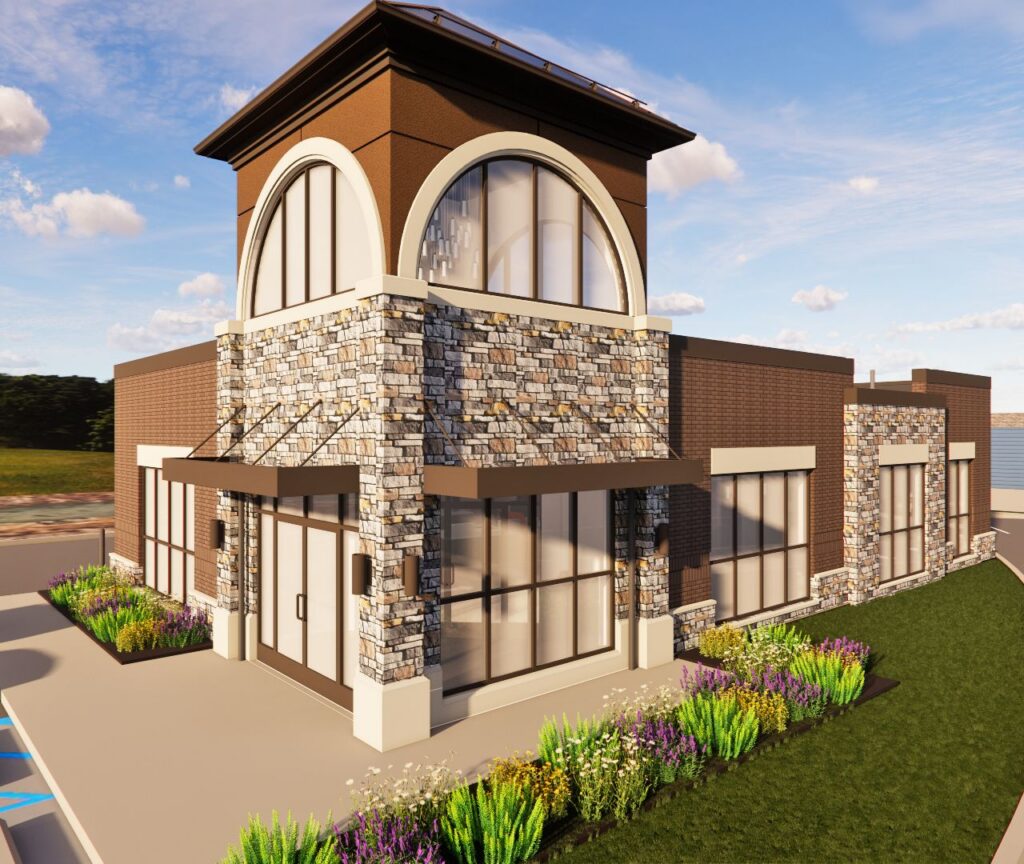
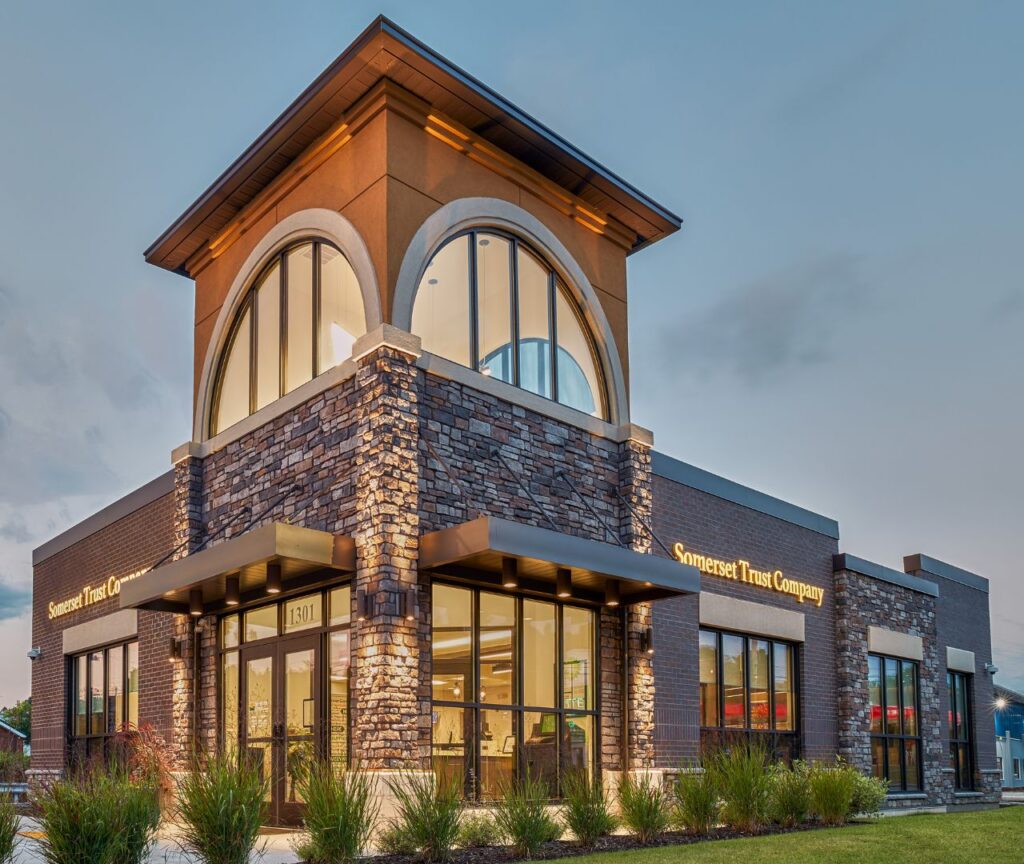
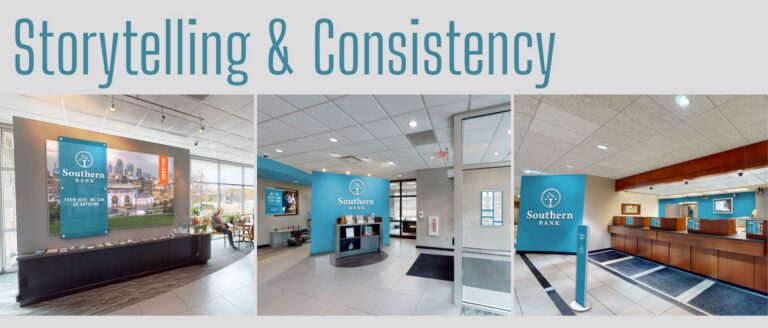
Prototyping goes beyond testing physical environments; it helps institutions establish a repeatable framework that reinforces their brand story and delivers a consistent experience from branch to branch. Whether a consumer visits a flagship location, a full-service branch, a micro branch, or advisory center (such as a loan production or wealth management office) they should encounter familiar elements, messaging, service experiences, and visual cues that reinforce the institution’s identity. While each location may vary in size, market, or configuration, the overall experience remains connected, creating a sense of continuity and trust across the network.
The Fast Track to Scalable Branch Design
The prototype is broken down into a flexible “kit of parts”; a collection of proven design elements, technology solutions, furniture standards, branding components, and best practices that can be adapted to different branch formats and markets. Institutions create a consistent framework that allows each location to maintain a recognizable brand experience while responding to local needs and fitting the existing branch footprint.
This approach enables financial institutions to scale more efficiently while ensuring that every branch tells a consistent story, supports organizational goals, and delivers an experience consumers recognize and trust.
Why an Integrated Design-Build Approach Matters
The most successful prototype programs bring together data, design, technology, construction, and operational planning from the beginning to create an integrated strategy.
A design-build partner can help financial institutions connect these disciplines into a single process, ensuring that insights gained during prototyping can be applied to the current branch network and in future branch development or acquisition.
Those who embrace prototyping today won’t just keep up with change—they’ll help define what the next generation of branch experiences looks like, building environments that stay relevant, strengthen relationships, and support long-term growth.